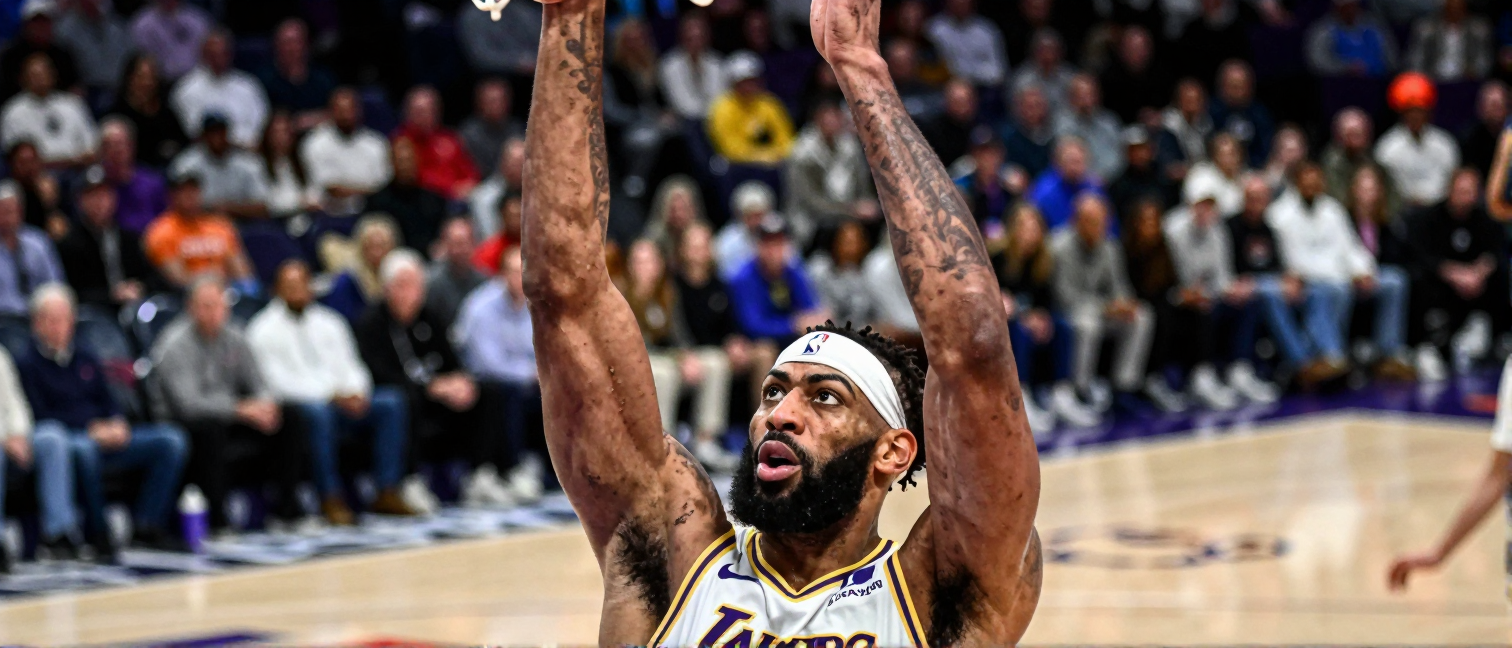
Anthony Davis was at the center of a busted blockbuster on July 8, 2026, when the Golden State Warriors walked away from a proposed trade, effectively ending their chase for LeBron James, according to multiple reports.
What happened?
The Warriors had been in advanced talks with the Los Angeles Lakers to acquire Anthony Davis in exchange for a package of young talent and future picks. Sources said the deal fell apart after Golden State balked at the salary‑cap implications and the Lakers' demand for additional assets. With the trade off the table, the Warriors’ front office announced they would no longer be in the running for a LeBron James acquisition this offseason.
Why it matters for Anthony Davis
For Anthony Davis, the collapse means another year with the Lakers, where his contract runs through the 2027‑28 season. The trade rumor had sparked speculation that Davis might finally join a contender capable of a deep playoff run. Instead, he stays in Los Angeles, keeping the Lakers’ frontcourt anchored but also preserving the team’s existing salary‑flexibility challenges. Analysts note that Davis’ market value remains high; the failed deal could still influence future negotiations, especially if the Lakers look to move pieces to accommodate his contract.
How the Warriors’ strategy shifts
Golden State’s decision signals a pivot toward internal development rather than a high‑cost, high‑risk acquisition. The Warriors have already committed to extending Stephen Curry’s deal and are eyeing draft assets to replenish their roster. By stepping back from the Anthony Davis trade, they avoid a massive luxury‑tax hit and preserve cap space for potential free‑agent signings later in the summer.
What comes next for the league?
The trade fallout ripples across the NBA. Other contenders, like the Boston Celtics and Miami Heat, now have a clearer path to pursue LeBron James without competing against a Warriors bid. Meanwhile, the Lakers must reassess their roster construction, possibly targeting role players or draft picks to complement Anthony Davis. The offseason market remains fluid, and the failed deal underscores how quickly negotiations can dissolve when financial and roster fit concerns collide.
Fan reaction and media buzz
Warriors fans expressed disappointment on social media, lamenting the missed chance to add a dominant big man. Lakers supporters, however, celebrated the news, viewing Davis’ continued presence as a sign of stability. Sports analysts on ESPN and The Athletic highlighted the trade’s collapse as a reminder that even the most talked‑about deals can unravel under cap constraints.
The NBA landscape will continue to evolve as teams navigate the post‑draft free‑agency window. Whether Anthony Davis will eventually move remains uncertain, but the July 8, 2026 trade collapse has already reshaped the strategic calculations of multiple franchises.